

Discover the Headline Seminar Sessions at ESS Expo 2026
From the circular economy and net-zero transitions to sustainability, biodiversity and more, ESS Expo's headline sessions bring together expert perspectives on the most important topics across the environmental sector. Included in your free ticket, you can explore our drop-in theatres across the show floor to learn from experts, discover new ideas and gain practical knowledge and takeaways.
Discover our headline sessions taking stage below, and explore the agenda to find out who's on when, along with the rest of our line up!
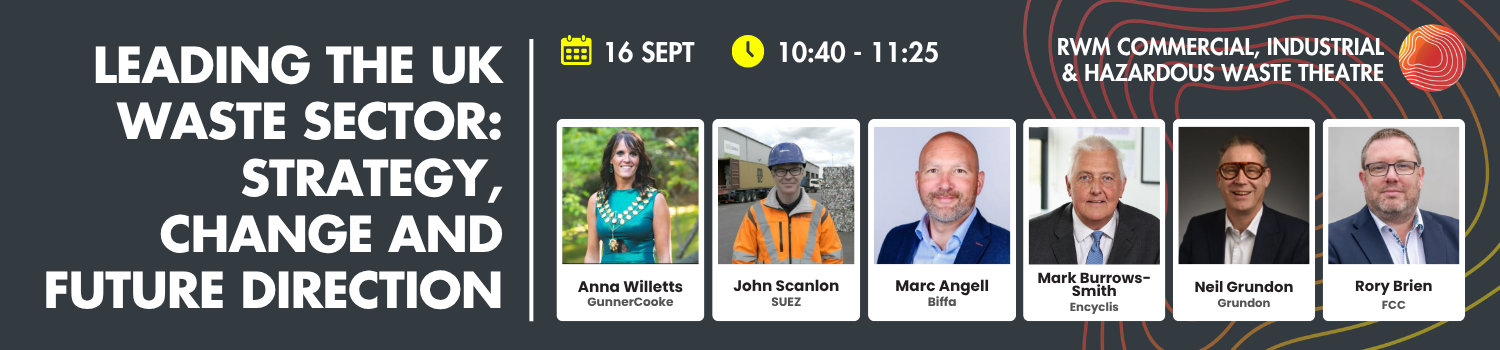
Panellists will share insights on operational resilience, investment priorities, innovation, and collaboration across the value chain, as well as the challenges of delivering high-performing services in a rapidly evolving sector. Participants will gain a clear view of how industry leaders are navigating complexity and driving transformation across the UK waste landscape.
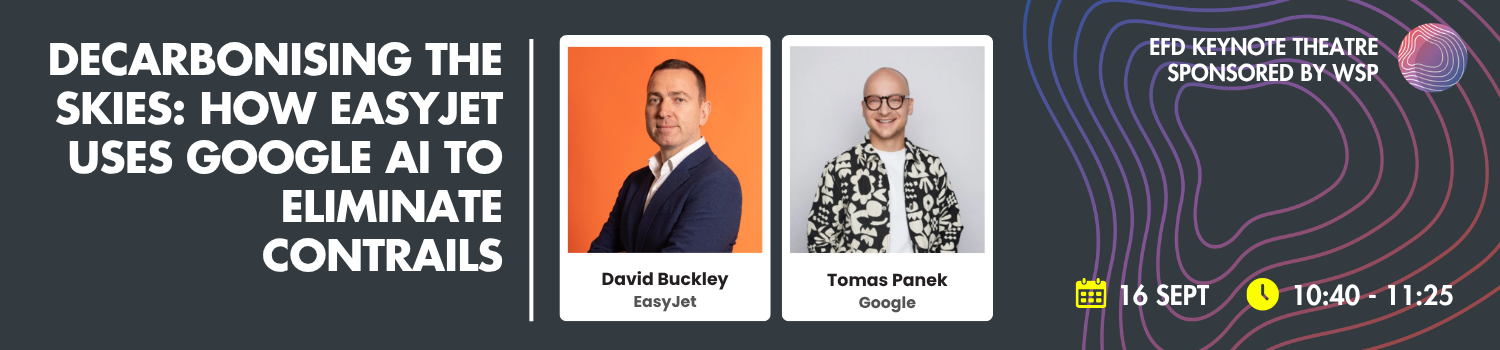
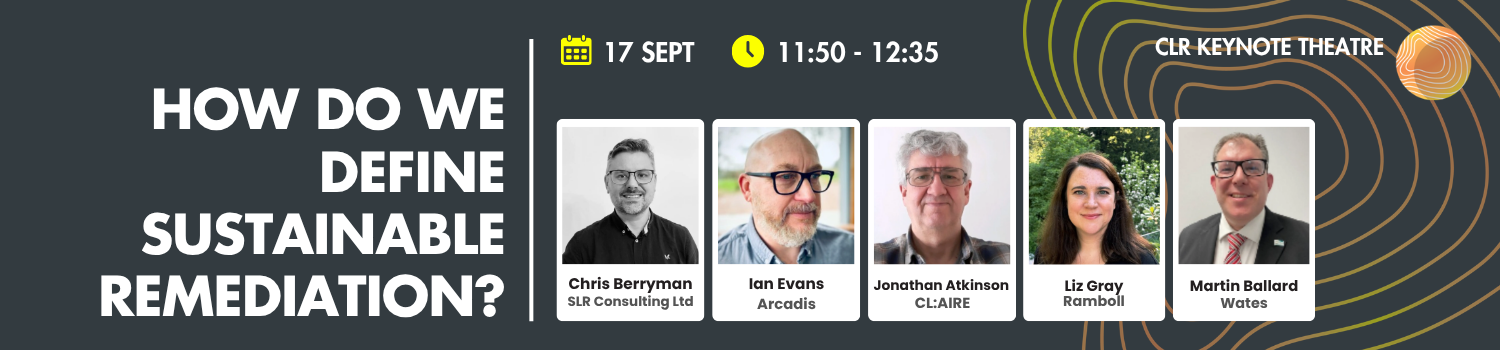
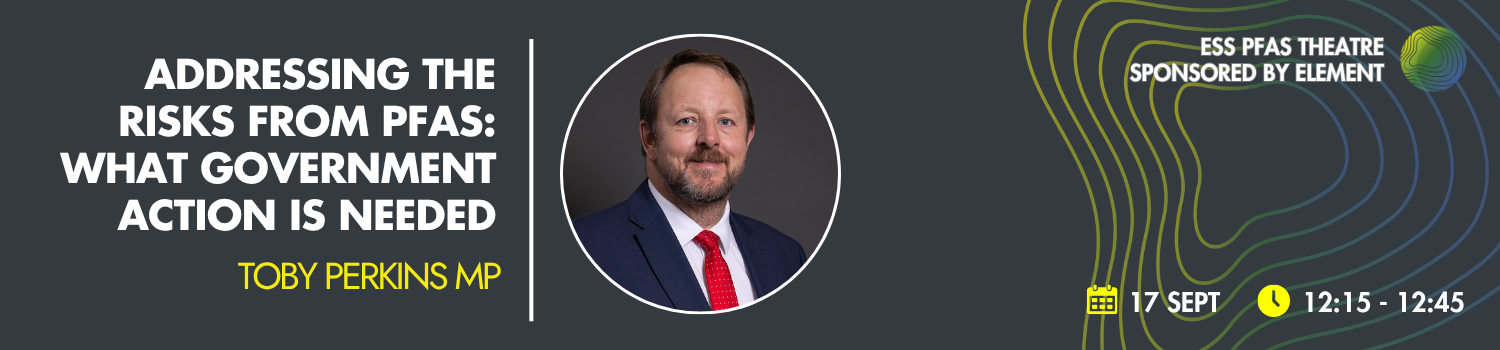
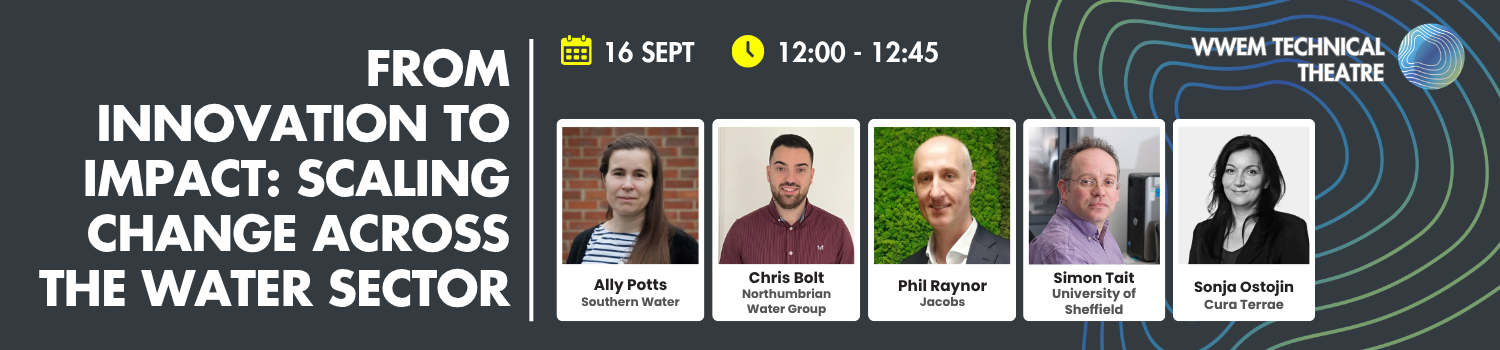
The water sector is entering a defining period of change, with unprecedented demand for new approaches to meet environmental and operational challenges. But innovation alone isn’t enough. Real impact comes from how it is delivered, scaled, and embedded. This panel brings together voices from across the value chain, from research and design through to delivery and end use, to explore how ideas evolve into practical, operational solutions.
Drawing on perspectives from academia, consultants, integrators, technology providers and end users, we’ll examine how the sector can accelerate adoption, bridge the gap between disciplines, and turn emerging innovation into everyday practice. Moderated by Cura Terrae, this discussion will offer a connected, cross-industry view on how to translate ambition into action.
FIND OUT MORE
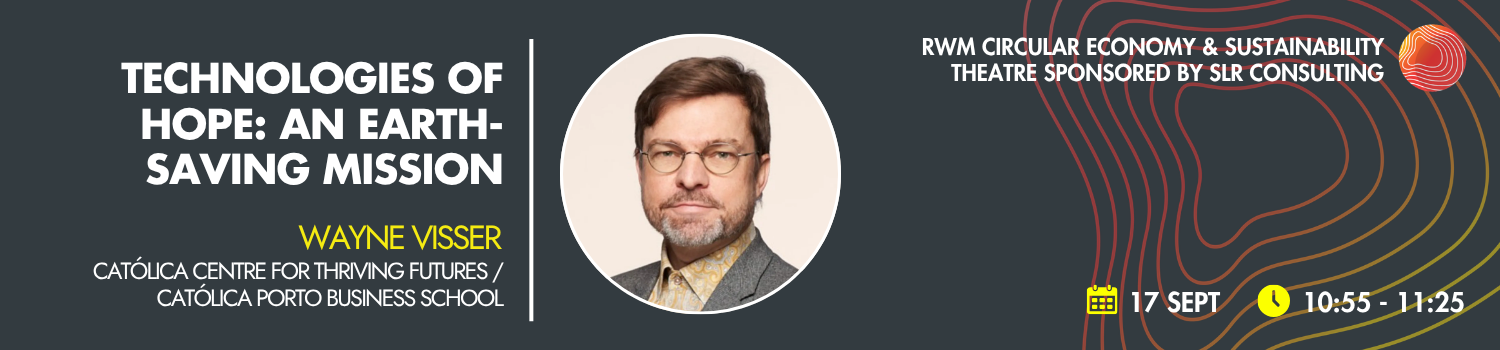
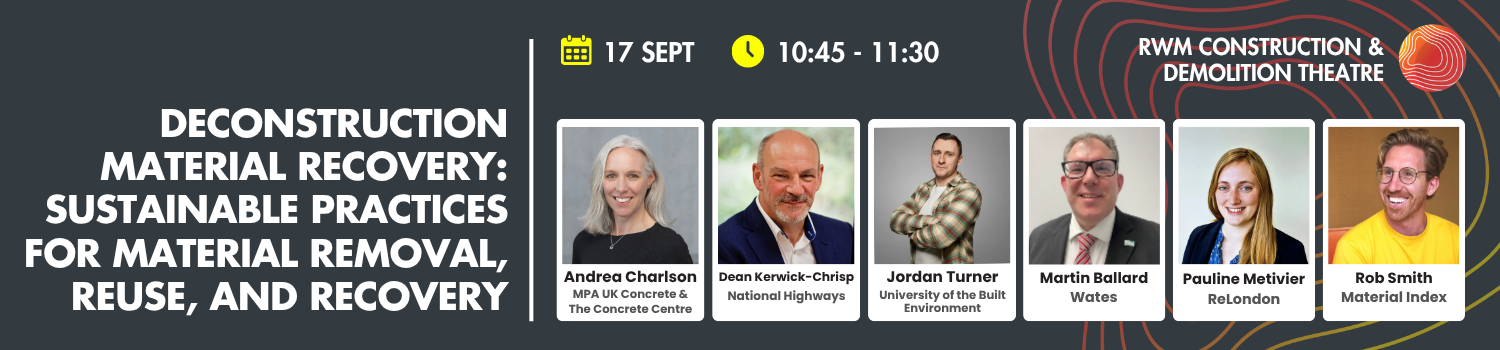
This panel brings together experts from across the construction, demolition, and resource recovery sectors to explore how deconstruction can unlock greater value from materials and reduce waste. The discussion will focus on sustainable approaches to material removal, reuse, and recovery, and the practical steps needed to maximise resource efficiency throughout the deconstruction process.
Panellists will examine the challenges and opportunities associated with planning, material identification, logistics, regulation, and end markets for recovered materials. We will provide insights into how innovation, collaboration, and evolving industry practices are helping to transform deconstruction into a more sustainable and resource-conscious approach to managing the built environment.
FIND OUT MORE
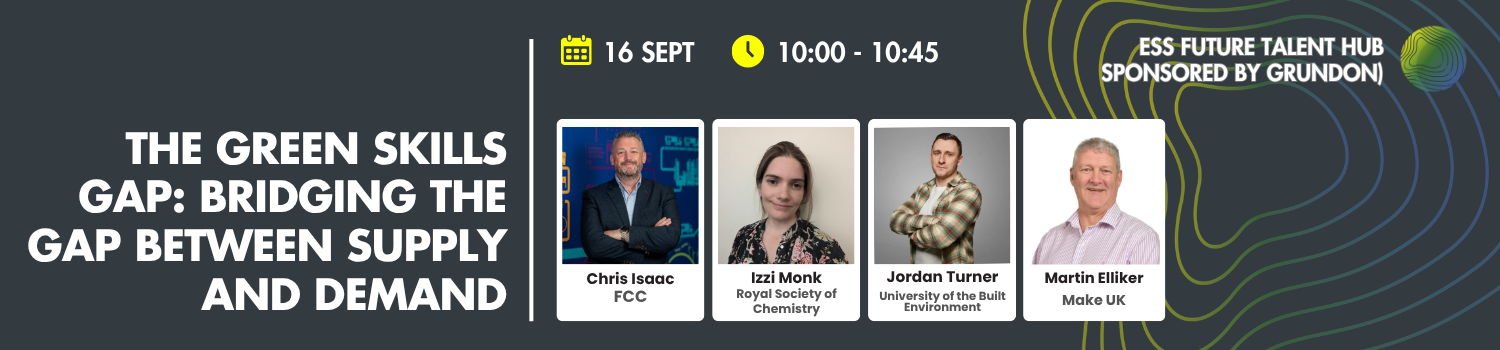
Panellists will consider how industry, government, and education providers can work together to address skills shortages, improve training pathways, and build long-term workforce capacity. The session will also highlight practical approaches to upskilling, recruitment, and collaboration needed to support the delivery of net zero and wider sustainability objectives.
FIND OUT MORE

The discussion will focus on key industry priorities including service innovation, fleet decarbonisation, digital transformation, and improving collection performance across different waste streams. Panellists will also reflect on the challenges and opportunities facing large-scale collection operations, from workforce and logistics management to investment in low-carbon technologies.
Participants will gain insight into how the sector’s biggest players are shaping the future of waste collection and contributing to a more sustainable and resource-efficient system.
FIND OUT MORE
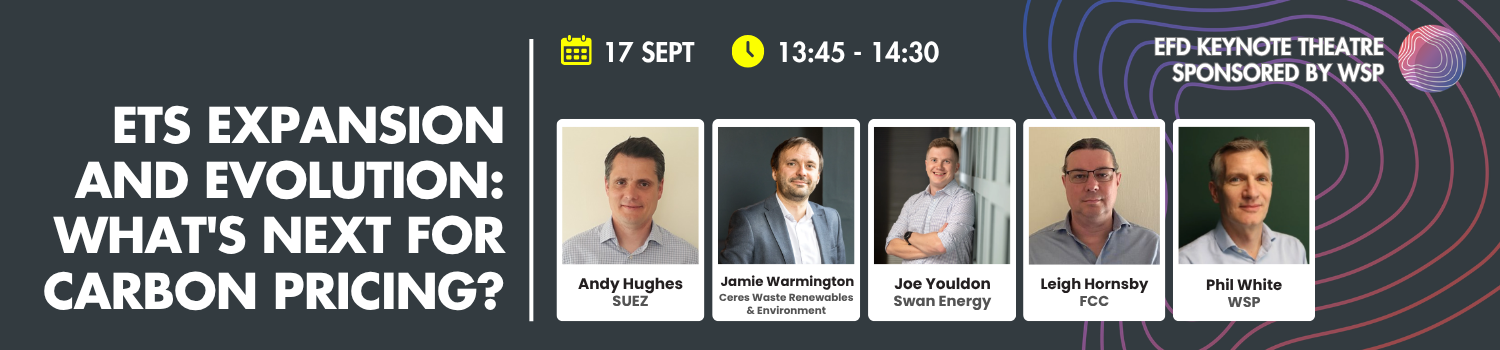
Navigate the direction of the Emissions Trading Scheme (ETS) and the implications of its expansion for industry, energy, and resource management sectors. Panellists will discuss evolving policy developments, the potential inclusion of new sectors, and the role of carbon pricing in driving decarbonisation and investment decisions.
The discussion will examine the opportunities and challenges associated with an expanding ETS, including competitiveness, compliance, innovation, and the transition to a lower-carbon economy, providing insight into what businesses can expect from the next phase of carbon market development.